
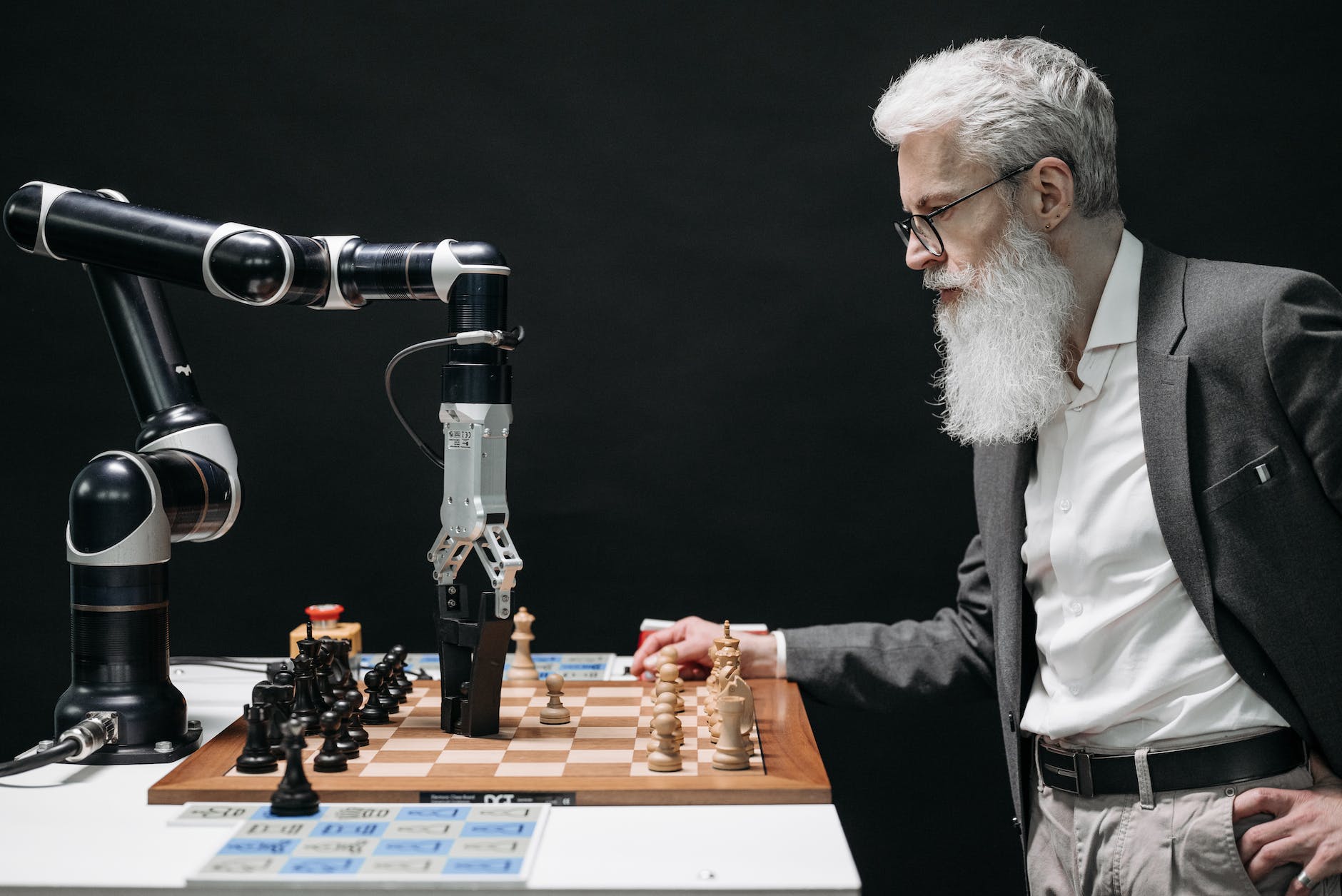
The use of Artificial Intelligence (AI) is revolutionizing the education sector in unprecedented ways, and special education classrooms for students with severe disabilities are no exception. With advancements in AI technology, teachers and students alike are discovering new ways to unlock potential and break down barriers that were once thought to be insurmountable.
One of the most significant ways AI is making a difference in special education classrooms is through personalized learning. AI algorithms are used to create custom lesson plans for each individual student, taking into account their unique abilities, strengths, and weaknesses. This means that teachers can tailor their instruction to meet the needs of every student, regardless of their disabilities.
Another way AI is revolutionizing special education is through assistive technology. Assistive technology includes tools such as speech recognition software, text-to-speech software, and eye-gaze technology. These tools help students with severe disabilities to communicate more effectively, express themselves, and engage with the world around them.
Additionally, AI is helping teachers to collect and analyze data more efficiently. With AI-powered data analysis tools, teachers can quickly identify areas where students are struggling and adjust their instruction accordingly. This helps to ensure that every student is receiving the support they need to succeed.
In conclusion, AI is changing the face of special education classrooms for students with severe disabilities. From personalized learning to assistive technology to data analysis, AI is unlocking potential and breaking down barriers that were once thought to be insurmountable. With continued advancements in AI technology, the future looks bright for special education students and their teachers.

