
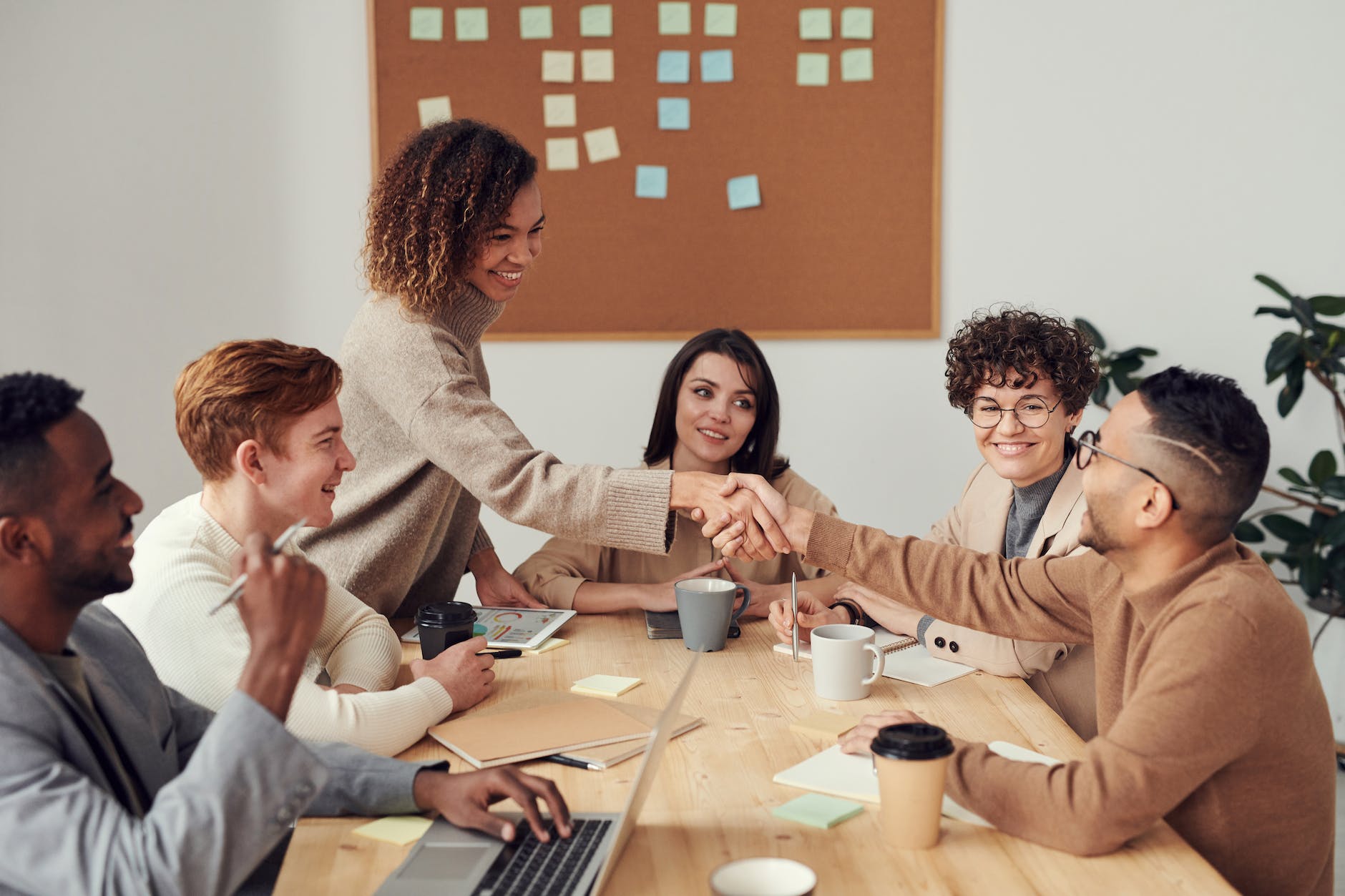
In a severe classroom setting, collaboration is the key to unlocking the full potential of every student. This blog post explores the importance of building a collaborative team approach among educators, paraprofessionals, therapists, and other stakeholders in the classroom. By highlighting real-world facts, examples, and strategies, we will delve into the benefits of collaboration and provide practical tips for fostering a strong team dynamic. Together, we can create an inclusive and supportive environment that maximizes learning opportunities for students with severe disabilities.
The Power of Collaboration in a Severe Classroom
Collaboration is crucial in a severe classroom setting as it brings together diverse expertise, perspectives, and resources. By working collaboratively, educators can effectively address the individual needs of students, share strategies, and create consistent approaches to instruction and behavior management. Collaboration also enhances communication, teamwork, and problem-solving skills among team members, leading to a more cohesive and supportive learning environment. Ultimately, a collaborative team approach empowers students with severe disabilities to thrive academically, socially, and emotionally.
Establishing Effective Communication Channels
Effective communication is the foundation of collaboration. Establish open lines of communication among team members, including regular team meetings, email updates, and shared platforms for documentation and resource sharing. Clearly define roles and responsibilities, ensuring that everyone understands their contributions to the team. Encourage active listening and respect for diverse viewpoints. Create a culture that values open dialogue and encourages feedback. By fostering effective communication channels, team members can work together seamlessly, share valuable insights, and provide consistent support for students.
Recognizing and Leveraging Individual Strengths
Each team member in a severe classroom brings unique strengths and expertise. Recognize and leverage these individual strengths to create a well-rounded team. Encourage team members to share their knowledge, skills, and experiences. Assign tasks and responsibilities based on each person’s strengths and interests. Foster a collaborative environment where everyone feels valued and empowered to contribute. By harnessing the collective strengths of the team, you can provide comprehensive support and meet the diverse needs of students with severe disabilities.
Collaborative Planning and Instructional Strategies
Collaborative planning is essential for developing effective instructional strategies. Engage in joint lesson planning, sharing ideas, and incorporating diverse perspectives. Discuss and align instructional goals, adapting strategies to accommodate individual student needs. Share resources, materials, and intervention strategies to create a cohesive approach. Collaborate on data collection and progress monitoring to inform instructional decisions. By collaborating in planning and implementing instruction, team members can create a seamless and inclusive learning experience for students.
Building Trust and Resolving Conflicts
Building trust among team members is crucial for a successful collaboration. Foster a supportive and respectful environment where everyone feels comfortable expressing their thoughts and concerns. Encourage open dialogue and address conflicts proactively and constructively. Seek to understand different perspectives and find common ground. Celebrate successes and acknowledge the contributions of each team member. By nurturing trust and resolving conflicts, the team can work cohesively towards common goals and provide the best possible support for students with severe disabilities.
Building a collaborative team approach is essential for creating an inclusive and enriching classroom environment for students with severe disabilities. By recognizing the power of collaboration, establishing effective communication channels, leveraging individual strengths, engaging in collaborative planning, and fostering trust, educators and team members can maximize student learning outcomes. Let us unite as a team, working together to empower students and create a brighter future for all.
 humblehivels.com