
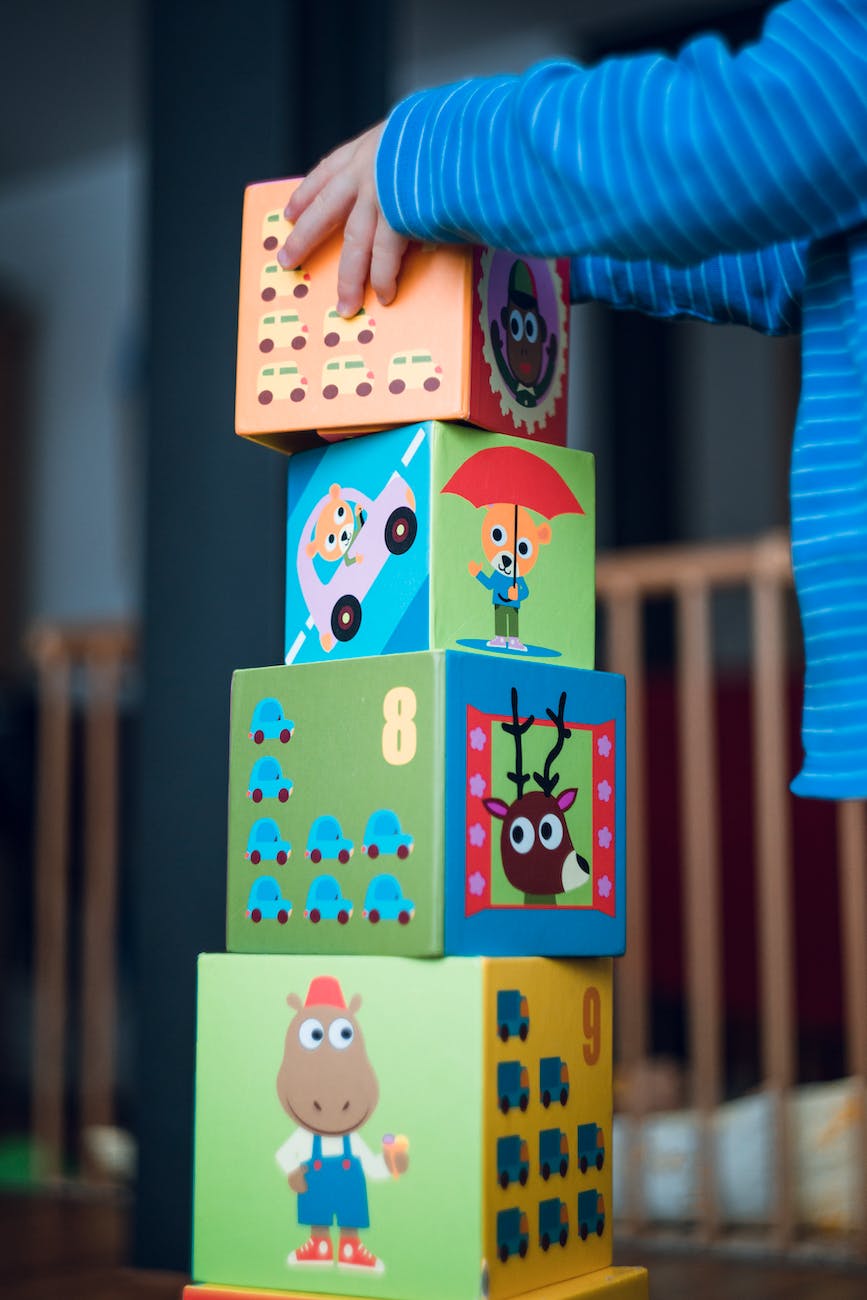
Play is a powerful tool for learning and development, even for students with severe disabilities. In this blog post, we explore the benefits of incorporating play-based learning in the classroom for students with severe disabilities. From promoting social interactions to enhancing cognitive and motor skills, play-based learning offers unique opportunities for engagement and growth. By incorporating real-world facts, examples, and strategies, educators can create an inclusive and stimulating environment that nurtures the potential of every student.
The Power of Play for Students with Severe Disabilities
Play is essential for the holistic development of students with severe disabilities. It provides opportunities for sensory exploration, social interactions, communication, and problem-solving. Play-based learning enhances cognitive abilities, fine and gross motor skills, and language development. Additionally, play fosters creativity, imagination, and self-expression. By engaging in purposeful play, students with severe disabilities can build confidence, independence, and a love for learning.
Creating a Playful and Inclusive Classroom Environment
Creating a playful and inclusive classroom environment is crucial for implementing play-based learning. Set up designated play areas with a variety of sensory materials, toys, and manipulatives that cater to diverse abilities and interests. Ensure that the environment is accessible, safe, and encourages exploration. Develop a visual schedule that includes dedicated play times to provide structure and predictability. Foster a supportive atmosphere where all students are encouraged to engage in play and collaborate with peers.
Play-Based Learning Strategies and Examples
There are various play-based learning strategies that can be implemented for students with severe disabilities. Incorporate sensory play activities, such as water play, sand play, or tactile exploration, to stimulate the senses and promote engagement. Use pretend play to develop social skills, communication, and problem-solving abilities. Integrate games and puzzles to enhance cognitive skills, turn-taking, and decision-making. Adapt traditional toys and materials to make them accessible and suitable for individual needs. Incorporate technology tools, such as interactive apps or adaptive devices, to support play and learning.
Play-Based Learning Across Curriculum Areas
Play-based learning can be integrated across various curriculum areas to enhance learning outcomes. In math, use manipulatives and games to explore concepts like counting, sorting, and patterns. In literacy, incorporate storytelling, puppetry, or dramatic play to develop language skills and narrative understanding. In science, engage in hands-on experiments or nature exploration. Physical education can include play-based activities that promote motor skills, coordination, and fitness. By infusing play into different subjects, educators can create a well-rounded and engaging learning experience.
Collaborating with Families and Peers
Collaboration with families and peers is essential for successful play-based learning. Share the benefits and strategies of play-based learning with families, and encourage them to extend play opportunities at home. Foster peer interactions and inclusive play experiences by promoting teamwork, empathy, and communication. Encourage peer buddies or mentors to support students with severe disabilities during play activities. By involving families and promoting peer connections, educators can create a supportive network that strengthens the impact of play-based learning.
Incorporating play-based learning is a powerful approach to support the development and learning of students with severe disabilities. By harnessing the benefits of play, creating an inclusive environment, implementing strategies across curriculum areas, and fostering collaboration, educators can unlock the potential of every student. Play-based learning encourages exploration, social interactions, and the development of essential skills. Let us embrace the joy and richness of play as we create meaningful learning experiences for students with severe disabilities.
 humblehivels.com