
In a severe classroom, tracking student progress and collecting data is essential for ensuring individualized instruction and making informed educational decisions. This blog post explores effective strategies for data collection and progress monitoring, providing real-world facts, examples, and practical tips. By implementing systematic data collection methods, utilizing technology tools, establishing measurable goals, and analyzing data for instructional decision-making, educators can effectively monitor student progress, identify areas of growth, and tailor instruction to meet the unique needs of students with severe disabilities.
Importance of Data Collection and Progress Monitoring
Data collection and progress monitoring are critical components of effective instruction in a severe classroom. They provide educators with objective information about students’ academic and behavioral performance, helping to guide instructional decisions and interventions. Data collection enables educators to identify students’ strengths, areas for improvement, and track progress over time. Progress monitoring allows for the evaluation of the effectiveness of instructional strategies and interventions. By collecting and analyzing data, educators can make data-informed decisions that support student growth and optimize learning outcomes.
Utilizing Technology Tools for Data Collection
Technology tools can greatly enhance data collection and progress monitoring in a severe classroom. Utilize digital platforms, apps, and software to streamline data collection processes. These tools can range from online data collection forms to behavior tracking apps or digital portfolios. Use assistive technology devices to assess and track student progress in various areas, such as communication, fine motor skills, or academic achievements. By incorporating technology, educators can efficiently collect, store, and analyze data, saving time and enabling more effective instructional planning.
Establishing Measurable Goals
Establishing measurable goals is crucial for accurate data collection and progress monitoring. Develop Individualized Education Program (IEP) goals or specific learning objectives that are observable, measurable, and aligned with students’ needs. Use standardized assessments, rubrics, or checklists to track progress towards these goals. Break down larger goals into smaller, achievable targets to facilitate ongoing progress monitoring. Regularly review and update goals based on data analysis and student performance. By setting measurable goals, educators can track student progress accurately and effectively determine the effectiveness of instructional strategies.
Analyzing Data for Instructional Decision-Making
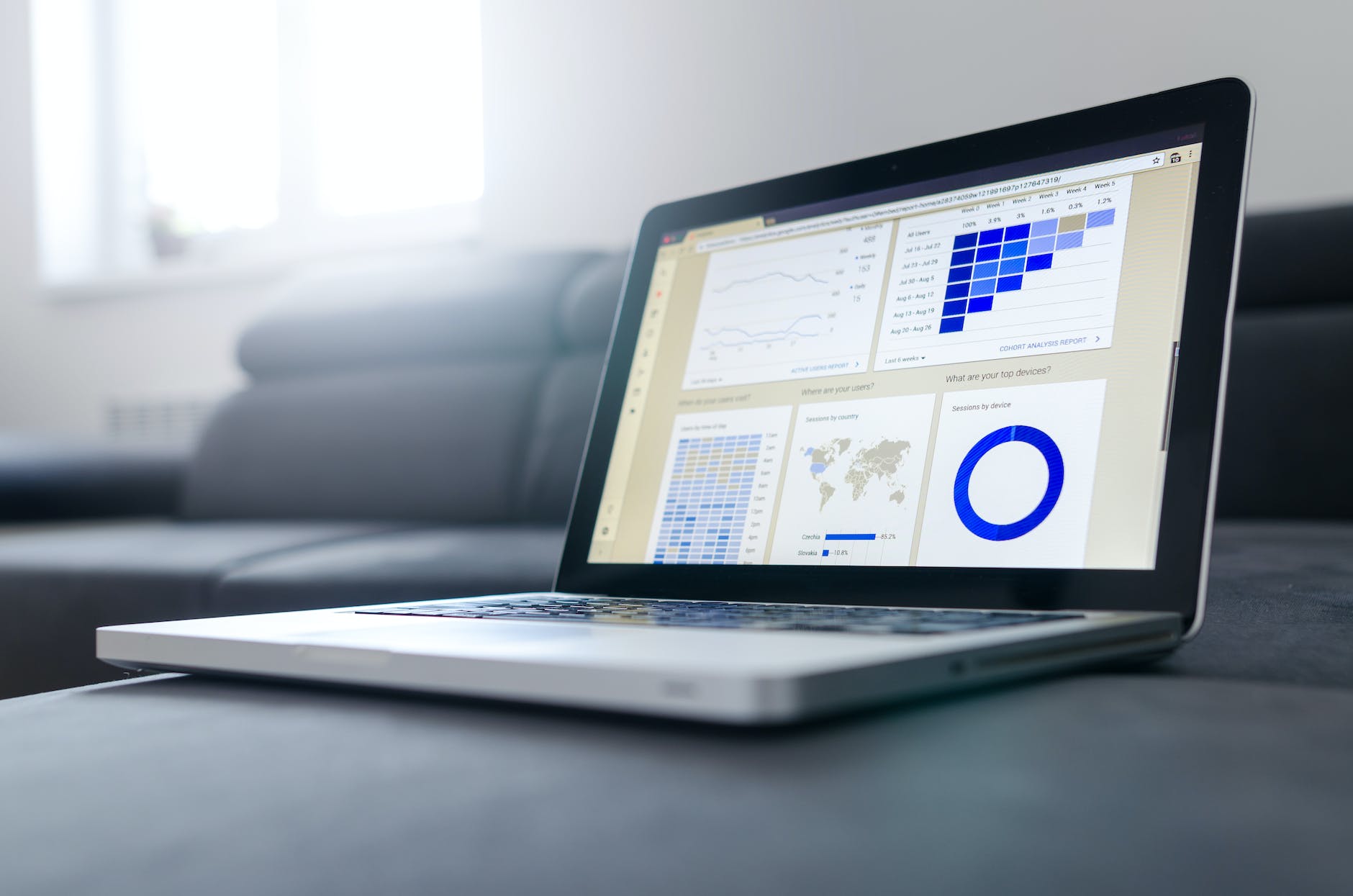
Data analysis is a key component of effective progress monitoring. Regularly review and analyze data to gain insights into student performance, identify trends, and determine areas of strength and need. Use visual representations, such as graphs or charts, to help visualize and interpret data. Compare current data with previous assessments to measure growth and identify areas that require targeted interventions or instructional adjustments. Collaborate with colleagues and utilize data team meetings to share insights and develop data-driven strategies. By analyzing data, educators can make informed instructional decisions that support student progress and success.
Incorporating Data into Individualized Instruction
Data collected should directly inform individualized instruction in a severe classroom. Use the insights gained from data analysis to adapt instructional strategies, modify materials, and tailor interventions to meet the unique needs of each student. Implement evidence-based practices and interventions that have shown effectiveness based on data analysis. Regularly monitor and adjust instructional plans based on ongoing data collection. By incorporating data into individualized instruction, educators can provide targeted support and maximize learning outcomes for students with severe disabilities.
Effective data collection and progress monitoring are essential in a severe classroom to ensure individualized instruction and promote student growth. By utilizing technology tools, establishing measurable goals, analyzing data, and incorporating data into individualized instruction, educators can make informed decisions and optimize learning opportunities for students with severe disabilities. Through systematic data collection and progress monitoring, educators can track student progress, identify areas of growth, and provide targeted interventions, ultimately fostering student success and development.
 humblehivels.com