
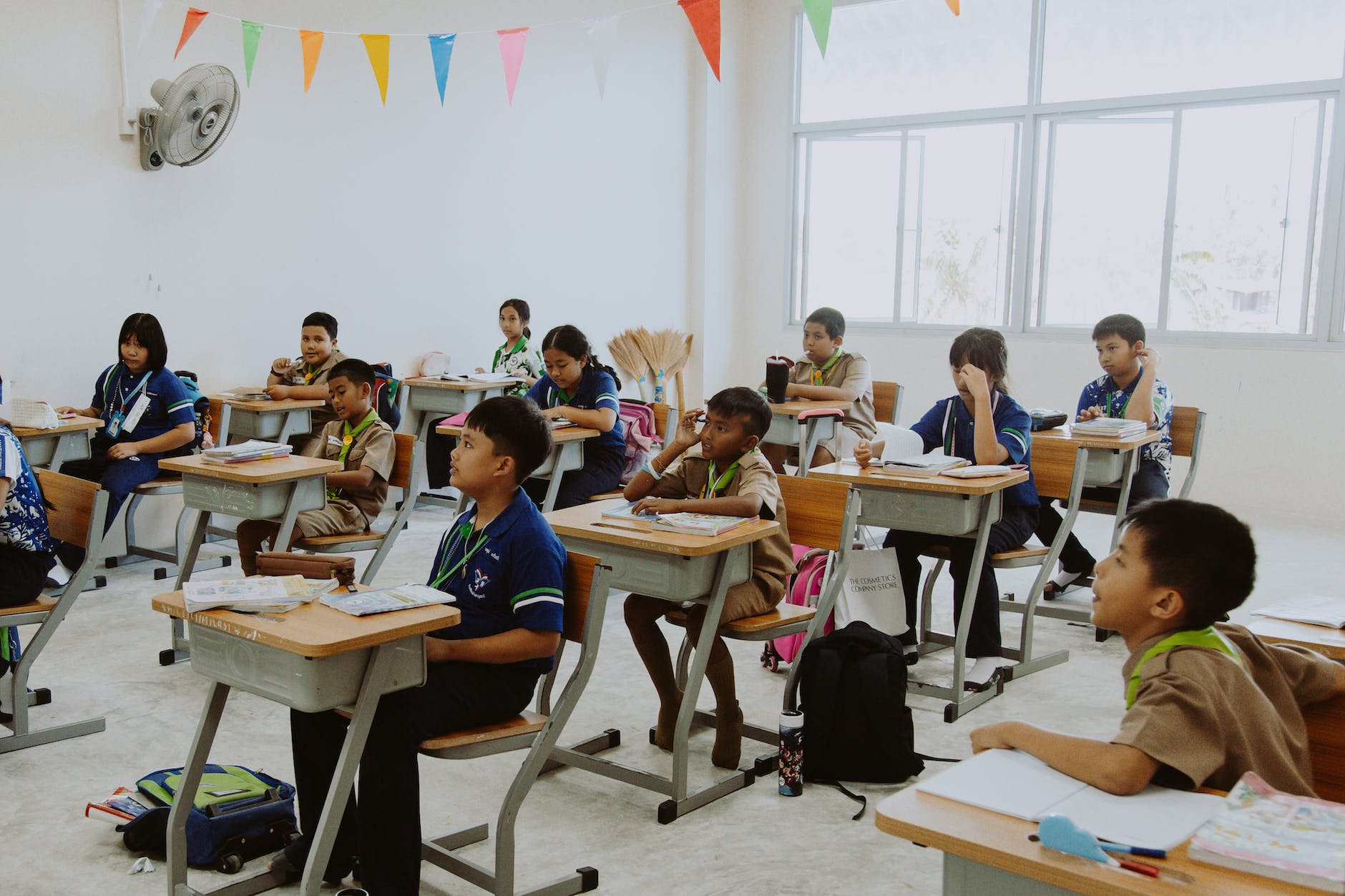
A structured environment is crucial in supporting students with diverse needs in a severe classroom. By providing a consistent and predictable setting, educators can promote a sense of stability and safety, essential for effective teaching and learning. This blog post explores strategies and practical approaches for creating a structured environment that optimizes student engagement and minimizes disruptive behaviors. By implementing these strategies, educators can foster a positive and conducive learning environment for all students.
The Importance of a Structured Environment
A structured environment offers numerous benefits for students in a severe classroom. It provides a clear framework and routine, allowing students to understand expectations and navigate their learning environment with confidence. Structure also helps reduce anxiety and promotes a sense of security among students who thrive in predictable settings. Additionally, a structured classroom aids in managing challenging behaviors and maintaining a productive learning atmosphere. By establishing a structured environment, educators can support students in achieving their academic and social-emotional goals.
Clear Expectations and Routines
Setting clear expectations and routines is a foundational element of a structured classroom. Clearly communicate behavioral expectations, academic goals, and classroom rules to students in a manner that suits their abilities and learning styles. Establish consistent routines for daily activities, transitions, and assignments, as predictable routines help students feel secure and understand what is expected of them. Visual aids, schedules, and verbal cues can be effective tools for reinforcing routines and expectations, promoting student independence and reducing anxiety.
Visual Supports and Organizational Systems
Visual supports and organizational systems play a vital role in creating a structured environment. Visual aids such as visual schedules, behavior charts, and visual cues can help students understand and follow routines, tasks, and expectations. Clear labeling of materials and supplies, along with designated spaces for different activities, can enhance organization and minimize confusion. Individualized systems, such as color-coded folders or visual checklists, can assist students in organizing their work and staying on track. These visual supports and organizational systems contribute to a well-structured and efficient learning environment.
Positive Behavior Supports
Implementing positive behavior supports is essential for maintaining a structured classroom. Utilize strategies such as positive reinforcement, praise, and rewards to recognize and encourage desired behaviors. Develop a system that provides immediate feedback and consequences for inappropriate behaviors while focusing on promoting positive alternatives. Implementing a behavior management plan tailored to individual student needs can help create a supportive and structured environment. Additionally, fostering a strong teacher-student relationship based on trust and empathy is crucial for building positive behavior supports.
Creating a structured environment in a severe classroom is a key factor in promoting student success and well-being. By establishing clear expectations and routines, utilizing visual supports and organizational systems, and implementing positive behavior supports, educators can create a structured environment that supports students’ learning and growth. The structured classroom serves as a foundation for academic achievement, behavioral management, and overall student engagement. With a focus on consistency, predictability, and supportive strategies, educators can lay the groundwork for a positive and effective learning experience for all students.
 humblehivels.com