
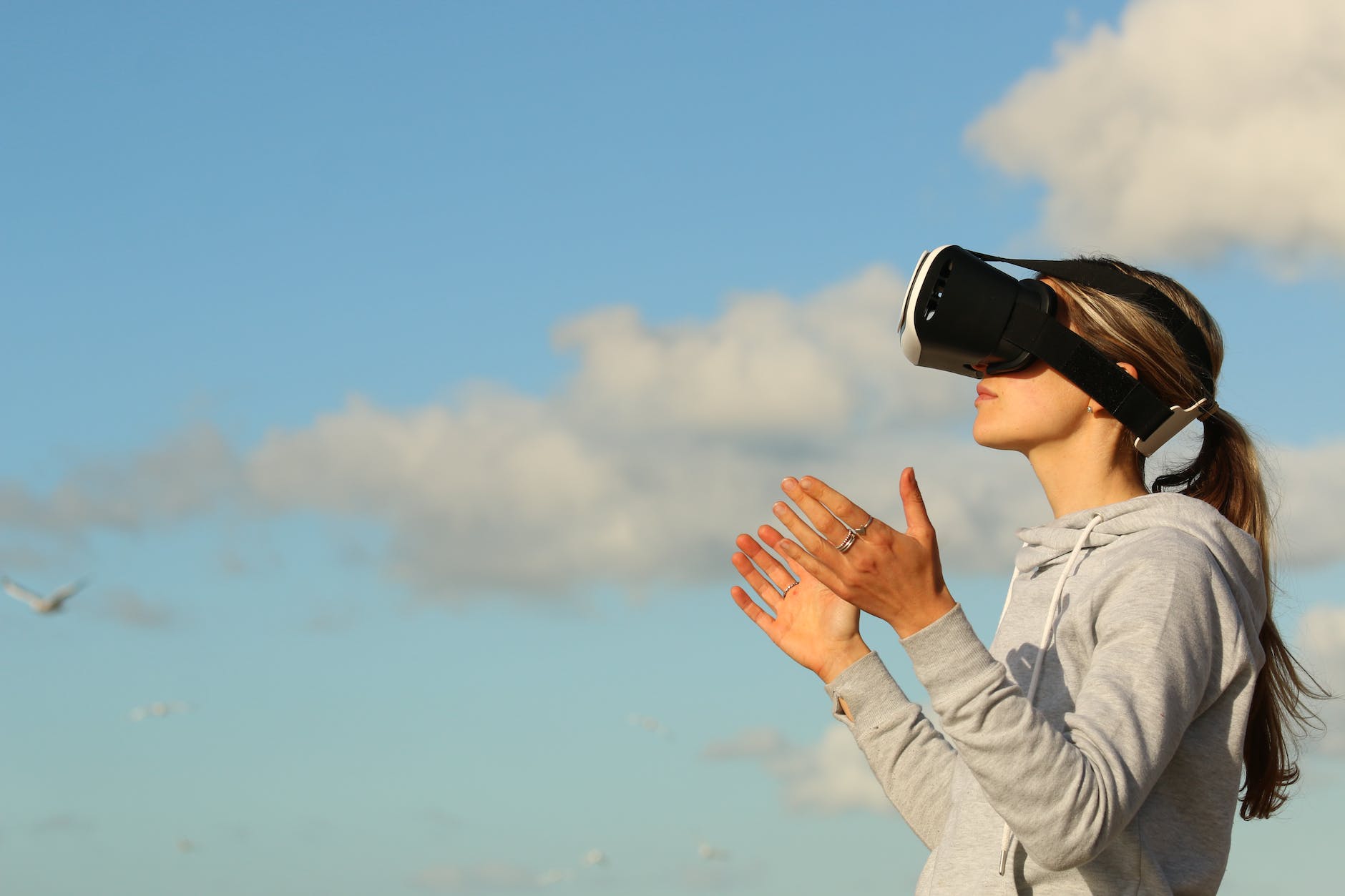
Virtual reality (VR) technology is revolutionizing education, and its impact on students with severe disabilities is particularly significant. With the ability to immerse students in realistic and interactive environments, VR technology can transform the way they learn and engage with the world around them. In special education classrooms, where students with disabilities often face unique challenges in their learning process, VR technology can be a powerful tool for unlocking their potential and enhancing their educational experience.
One of the key advantages of VR technology is its ability to provide students with hands-on learning experiences in a safe and controlled environment. This can be especially valuable for students with physical disabilities who may have difficulty participating in traditional lab activities or field trips. VR simulations can also be tailored to the specific needs of individual students, allowing for personalized learning experiences that are not possible in traditional classroom settings.
Another important benefit of VR technology is its ability to promote social and emotional learning. For students with autism spectrum disorder (ASD), for example, VR simulations can provide a safe and structured environment for practicing social interactions and communication skills. By creating virtual scenarios that mimic real-life situations, educators can help students develop important social and emotional competencies that will benefit them throughout their lives.
As VR technology continues to evolve and become more accessible, its potential for transforming special education classrooms is only becoming more apparent. By leveraging the power of VR, educators can help students with severe disabilities unlock their full potential and achieve success in their academic and personal lives.
 humblehivels.com