
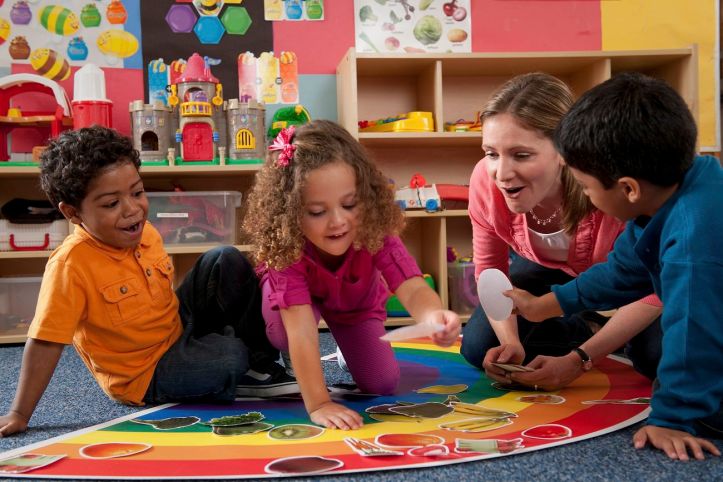
Teaching in a severe disabilities classroom can be both challenging and rewarding. To be effective in this environment, it’s important to avoid certain mistakes that can hinder progress and limit student success. In this slideshow, we’ll discuss the top 10 mistakes to avoid when teaching in a severe disabilities classroom, with examples and tips for how to overcome these challenges. 
Not creating individualized education plans (IEPs) can hinder the success of students in a severe disabilities classroom. Every student has different learning needs and abilities. Creating an IEP can help educators set specific goals and objectives for each student, helping them achieve their maximum potential. 
Communication is essential for students with severe disabilities, and it’s important to provide ample opportunities for communication. Whether through assistive technology, sign language, or picture communication systems, students need a way to express themselves and interact with the world around them. 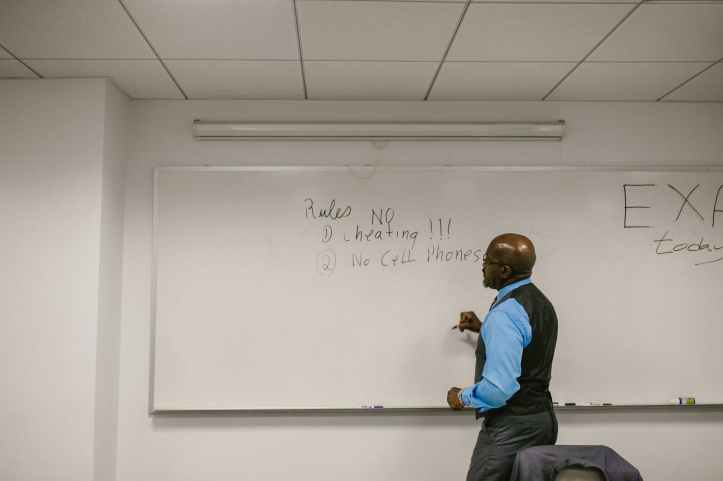
Classroom procedures are crucial for students with severe disabilities. Students thrive on routine and consistency, so it’s essential to establish clear classroom procedures and expectations from the beginning. This includes everything from arrival and dismissal routines to rules for classroom behavior. 
Visual supports can be an effective way to help students with severe disabilities understand and navigate their environment. This includes visual schedules, picture communication systems, and other visual aids that can help students with communication, comprehension, and socialization. 
Students with severe disabilities may struggle with sensory processing, and it’s important to provide enough sensory support in the classroom. This can include providing sensory tools like fidgets or weighted blankets, creating a sensory-friendly classroom environment, and using sensory breaks throughout the day. 
Socialization is a critical part of learning and development, and it’s important to prioritize socialization opportunities in the classroom. This includes fostering friendships and peer relationships, promoting social skills and communication, and providing opportunities for group work and collaboration. 
Teaching in a severe disabilities classroom can be emotionally and physically demanding, and it’s important to prioritize self-care and burnout prevention. This can include taking breaks throughout the day, seeking support from colleagues and mentors, and engaging in self-care activities outside of the classroom. 
While academic achievement is important, it’s not the only measure of success for students with severe disabilities. Focusing too much on academic achievement can overlook the progress students make in other areas, such as communication, socialization, and life skills. 
Students with severe disabilities may have limited opportunities to make choices and have control over their environment. It’s important to provide opportunities for choice and control, such as offering choices for activities or seating arrangements, to empower students and promote independence. 
Teaching in a severe disabilities classroom can be challenging, and it’s important to seek support from colleagues and outside resources when needed. This can include collaborating with other teachers and specialists, seeking professional development opportunities, and connecting with parent and caregiver support groups.
 humblehivels.com