

Writing measurable IEP objectives is crucial to ensuring that students with disabilities receive appropriate and effective educational services. However, there are common mistakes that can undermine the effectiveness of IEP objectives. In this slideshow, we will discuss these mistakes and provide examples to help you write measurable IEP objectives. 
Using vague language in IEP objectives can make it difficult to measure progress. For example, instead of writing “The student will improve their reading skills,” write “The student will increase their reading fluency by 20 words per minute.” 
IEP objectives should focus on outcomes, not just on the process. For example, instead of writing “The student will attend counseling sessions,” write “The student will demonstrate improved social skills by initiating a conversation with a peer. 
Goals that are too high or too low can be counterproductive. For example, instead of writing “The student will complete 10 math problems in 10 minutes,” write “The student will complete 5 math problems in 10 minutes with 90% accuracy. 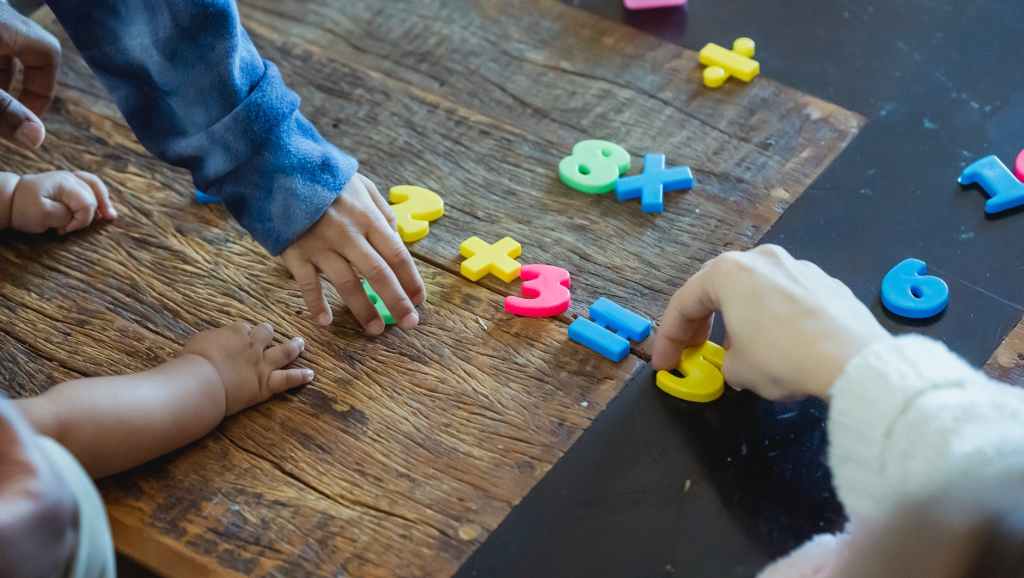
IEP objectives should be aligned with grade-level standards to ensure that students are making progress toward grade-level expectations. For example, instead of writing “The student will learn basic addition,” write “The student will solve addition problems with numbers up to 20 with 80% accuracy, aligned with 2nd grade standards. 
Baseline data is crucial to measuring progress. For example, instead of writing “The student will increase their reading level,” write “The student will increase their reading level from a 2nd grade level to a 3rd grade level as measured by the DRA assessment.” 
By avoiding these common mistakes, you can write effective and measurable IEP objectives that will help students with disabilities make progress toward their educational goals. Remember to use specific language, focus on outcomes, set realistic goals, align objectives with grade-level standards, and include baseline data to measure progress.
 humblehivels.com